
Blog
Get the latest news
The Blog

Don't Let a Calf Strain Keep you Off the Netball Court Netball is one of Australia's most popular sports, and it's easy to see why. It's fast, fun and a fantastic way to stay active. But with all the sprinting, jumping, landing, pivoting and quick changes of direction, netball also places significant demands on your muscles and joints. At EBR Physio, one of the most common injuries we see during the netball season is calf muscle strain. Why Are Calf Strains So Common in Netball? Your calf muscles work hard every time you accelerate, jump for a rebound, land from a shot or quickly change direction. When these muscles are overloaded or fatigued, the muscle fibres can overstretch or tear. Calf strains commonly occur during: Sprinting, jumping or landing Sudden changes of direction or pivoting Playing when tired or after increasing training loads too quickly Many players describe the injury as feeling like they've been kicked in the back of the leg, followed by immediate pain that makes it difficult to continue playing. Signs You May Have a Calf Strain If you've injured your calf, you may notice: Sudden pain in the back of the lower leg Difficulty walking or pushing off your foot Swelling, bruising or tenderness Tightness or weakness when running or jumping Even mild strains shouldn't be ignored, as returning to sport too soon can significantly increase the risk of re-injury. Other Common Netball Injuries While calf strains are among the most frequent injuries we treat, they're certainly not the only ones. Ankle Sprains Landing awkwardly or stepping on another player's foot can result in a painful ankle sprain. Proper rehabilitation is essential to restore stability and reduce the risk of future sprains. Knee Injuries The twisting and pivoting movements required in netball place considerable stress on the knees. Common injuries include ligament sprains, meniscus injuries and kneecap (patellofemoral) pain. Achilles Tendinopathy The Achilles tendon absorbs enormous forces during running and jumping. Repeated loading without adequate recovery can lead to persistent pain and stiffness. Hamstring Strains Like the calf muscles, the hamstrings are heavily involved in sprinting and rapid acceleration, making them another common muscle injury in netball. Finger Injuries Jammed fingers, ligament injuries and fractures are common when catching, intercepting or contesting the ball. Why Early Treatment Makes a Difference Many players hope a calf strain will settle with a few days of rest. Unfortunately, the pain may ease before the muscle has fully healed, leaving it weaker and much more likely to be injured again. Seeking physiotherapy early can help speed up recovery, reduce time off the court and lower your risk of ongoing problems. How Physiotherapy Can Help At EBR Physio, we'll assess exactly what's happened and develop a rehabilitation program that's tailored to you. Your treatment may include: A thorough assessment to determine the severity of the injury Hands-on treatment to reduce pain and improve movement Sports taping to provide support during recovery and your return to training and competition Progressive strengthening exercises Balance and control training Running, jumping and agility drills Return-to-sport testing Strategies to address the factors that contributed to your injury Our goal isn't just to get you out of pain, it's to help you return to netball stronger, more confident and less likely to experience the same injury again. Can You Prevent a Calf Strain? While no injury can be prevented completely, there are plenty of ways to reduce your risk. Simple strategies include: Completing a proper warm-up before training and games Gradually increasing your training load Maintaining calf strength and flexibility Including balance, hopping and landing drills in your training Wearing supportive netball shoes Addressing calf tightness or soreness before it becomes a more serious injury Regular strength training is also one of the most effective ways to reduce the risk of lower limb injuries in netball players. How EBR Physio Can Help Whether you're playing junior netball, social competition or at an elite level, our experienced physiotherapists can help you recover from injury and get back to doing what you love. We'll not only treat your injury but identify why it happened, so we can help reduce the likelihood of it happening again. Don't Ignore That Tight Calf If your calf has been feeling tight after games, sore during training or you've experienced a sudden sharp pain on court, don't wait for it to get worse. Early assessment and treatment can often shorten recovery time, reduce the risk of re-injury and get you back on court sooner. If calf pain is stopping you from enjoying your netball season, book an appointment with the team at EBR Physio. We're here to help you recover well, perform with confidence and stay on the court all season long.

The niggle that hasn't settled Why injuries spike in January to March and what to do about it By late February, we start to see a second wave. The New Year motivation is still there but now the load has gradually built up. Training sessions have become more regular. Sport seasons are properly underway. Gym programs are progressing. Work routines are back in full swing. And that small “niggle” from January? It hasn’t quite settled. Instead, it’s becoming harder to ignore. A sore back that’s lingering. A calf that keeps tightening after runs. A shoulder that’s not coping with swimming or overhead work. A knee that feels irritated after sport. Minor issues start turning into more significant ones. Why does this happen? 1. Accumulated load Holiday activity is inconsistent. Some people move less. Others suddenly do more, long walks, swimming, backyard sport, DIY projects. Then February arrives and work, training and sport all resume at full pace. Without a gradual build-up, the body hasn’t had time to adapt to the increased load and that’s when soreness and injuries tend to surface. 2. Posture shifts back to desk mode After the summer holiday period going back to long desk hours can be a shock to the body. Sitting for most of the day, looking at screens and moving less can quickly lead to neck and shoulder tension, headaches and low back stiffness. If you’ve been more active over the holidays, the sudden return to prolonged sitting can highlight tightness or weakness especially if you’re not taking regular movement breaks. 3. Stress load builds By this point in the year stress tends to build across multiple areas of life. Work pressures increase. Family and school schedules become busier. There’s less downtime, and sleep quality is often compromised. Increased stress can also make you more sensitive to pain and more prone to flare-ups. Common issues we see include; Ongoing back and neck stiffness Achilles irritation that hasn’t fully settled Patellar tendon pain during sport Hamstring tightness that keeps recurring Shoulder pain from swimming over summer or gym programs Knee pain after more frequent running, including volume building The encouraging part? These are usually very manageable when addressed early. What to do if something isn’t settling? Don’t wait for it to become “bad enough” If pain has been lingering for 2-3 weeks, that’s your sign. Early assessment is much easier than rehab after a full strain or major flare-up. Modify rather than stop completely. Total rest often leads to stiffness and deconditioning. What to do instead? Adjust your load Reduce intensity temporarily Keep moving in ways that don’t aggravate symptoms The key is finding right amount of movement. Address the cause, not just the symptoms. Ongoing irritation usually means load progression needs adjusting, strength deficits need addressing and recovery time needs to be addressed. Our physios can help you work out exactly what needs to change so you don’t lose momentum. How to reduce your risk heading into March This is the time to consolidate, not accelerate. Build gradually rather than adding “just one more session” Prioritise sleep and recovery Strengthen areas that fatigue quickly Don’t ignore persistent soreness Consistency beats intensity this time of year. The bottom line If something has been lingering, don’t wait for it to force you to stop. Address it early. Adjust the load. Strengthen what needs strengthening. Small tweaks now prevent bigger setbacks later. If something isn’t settling, book an assessment and let’s keep your body smiling into the rest of the year.
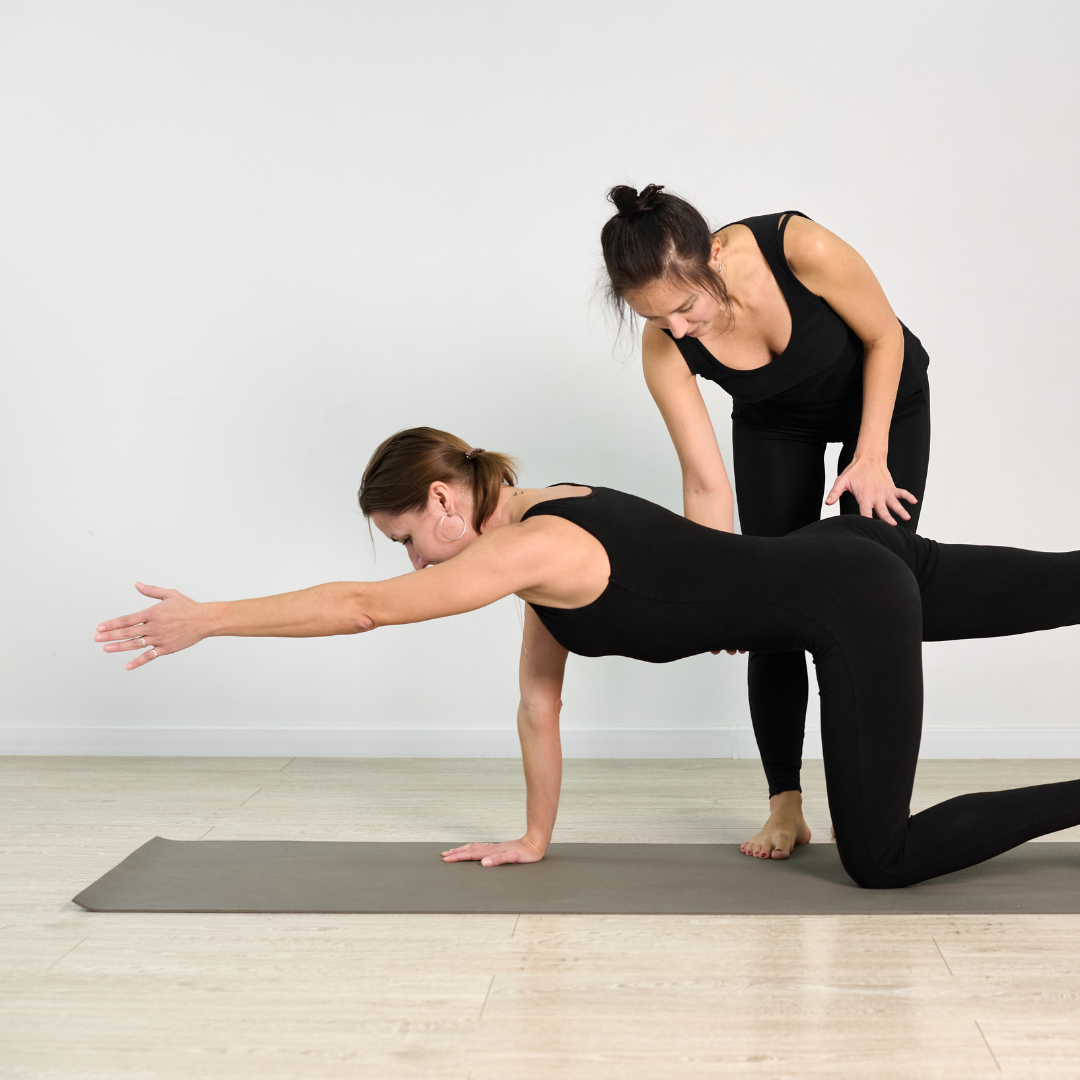
Building confidence before and after injury or surgery When you’re facing surgery or recovering from an injury, it often feels like your body has let you down. You might worry about whether you’ll get back to normal, whether movement will hurt, or whether you’re doing the “right” things. It’s completely normal to feel unsure, frustrated, or even a bit scared, especially when everyday activities suddenly feel harder than they used to. Before and after surgery, confidence can take a real hit. Pain, stiffness, and uncertainty can make you second-guess every step. You are absolutely not alone in feeling this way. Confidence isn’t just a mindset, it’s a key part of recovery, and it can be rebuilt with the right guidance and support. Why confidence matters Understanding the psychology of confidence Confidence isn’t about pretending everything is fine or pushing through pain. It’s about knowing what your body is capable of, understanding what’s normal, and recognising your progress - even when it feels slow. Recovery isn’t just physical, confidence, education and reassurance are are all key parts of progress. When you understand the “why” behind each exercise and what sensations to expect, fear is replaced with clarity. And clarity builds confidence. Consistency leads to results People who feel safe and informed tend to stay consistent with their rehab. That consistency is what builds long-term strength, mobility, and trust in how your body moves. Preparing before surgery How prehab builds confidence Feeling nervous before surgery is perfectly understandable. Prehabilitation (prehab) helps you feel prepared rather than overwhelmed. You build strength, improve mobility, and learn the exercises you’ll use afterwards so nothing feels foreign once you’re home. VicGov’s Better Health Channel explains the benefits of preparing physically and mentally before surgery: https://www.betterhealth.vic.gov.au/health/servicesandsupport/seeing-an-allied-health-professional What a typical prehab plan looks like A personalised prehab program often includes: • Gentle strength work (e.g. quads, glutes, core for lower-limb surgeries; shoulder and scapular stabilisers before rotator cuff repair) • Mobility exercises to improve joint movement • Low-impact conditioning for overall fitness • Education about what to expect in hospital and immediately afterwards. • Learning early post-op exercises ahead of time • Strategies for reducing swelling, pain and inflammation Walking into surgery feeling prepared boosts both physical and mental confidence. Rebuilding trust after surgery The early stages of recovery Once surgery is over, recovery really begins. Pain, swelling, or stiffness can make you doubt your body, even when everything is progressing exactly as expected. Gentle, guided movement is what helps tissues heal, restore function, and rebuild trust. The Australian Physiotherapy Association recommends early, guided movement after many procedures to support safe healing: https://australian.physio/ What a typical rehab plan looks like Rehab is structured in stages and matched to your surgeon’s protocol. Early phase (Week 1–3) • Swelling and pain management • Gentle range-of-motion exercises • Supported walking or gait retraining for lower limb or simple arm exercises for shoulders • Safe activation of key muscle groups • Clear guidance on what and how to avoid Middle phase (Week 4–8) • Progressive strengthening • Balance and stability work • Gradual increases in load • Functional tasks such as stairs, sit-to-stand and controlled bending Later phase (Week 8+) • Higher-level strengthening • Functional or sport-specific activities • Hydrotherapy or Clinical Pilates for controlled, confidence-building movement • Planning for long-term independence Each phase is explained clearly so you always know what’s safe, what’s normal, and what comes next. From recovery to resilience Why rehab doesn’t stop when pain settles Pain relief doesn’t mean your recovery is complete. Long-term confidence comes from restoring strength, balance and control. Many people continue with guided exercise, Clinical Pilates or maintenance physio as part of their ongoing wellbeing. The bigger picture • Prehab prepares joints, muscles and the nervous system • Rehab guides how well and how safely you heal • Lifestyle choices; sleep, nutrition, daily movement all support long-term recovery Confidence develops when your recovery has structure, clarity and consistent support. Explore our ongoing exercise and Pilates options . Where EBR fits in Continuing your care after specialist treatment Once your surgeon or specialist completes their part of your treatment, physiotherapy becomes the next essential step. Our physiotherapists work closely with specialists across Melbourne to ensure your rehab aligns with your medical plan. Feeling supported makes it easier to rebuild confidence. Our goal is to guide you from uncertainty to strength, from hesitation to trust, and from recovery to long-term independence. Key takeaways • Confidence is a major factor in surgical and injury recovery. • Prehab helps you feel physically and mentally prepared for surgery. • Early, guided rehab restores trust in your movement. • Progress is gradual but powerful when you have structure and support. • Long-term resilience comes from ongoing strength, stability and good movement habits. • You don’t have to navigate any of this alone. FAQs Do I need to feel confident before surgery? Not at all. Prehab helps build confidence by preparing your body and teaching you what to expect. Is it normal to feel scared to move after surgery? Yes. Pain and stiffness can make you hesitate, even when everything is healing well. How soon will I trust my body again? Many people feel more confident within a few weeks as movement becomes easier and strength starts to return. Can I do the exercises on my own? You can, but physio guidance ensures you’re progressing safely and avoiding compensation or delays. Do I need physio even if the pain has gone? Often yes. Pain relief doesn’t always mean your strength, balance or stability have fully returned. Call to action If you’re preparing for surgery, recovering from an injury, or feeling unsure about how to trust your body again, we’re here to help. Book an appointment online Have questions? Contact our team You can read more about how we support patients preparing for surgery here: https://www.ebrphysio.com.au/our-services

Knee pain help for all ages. Personalised physio, prehab and rehab to avoid surgery and pain meds. Book a consult at EBR Physio Bentleigh East.
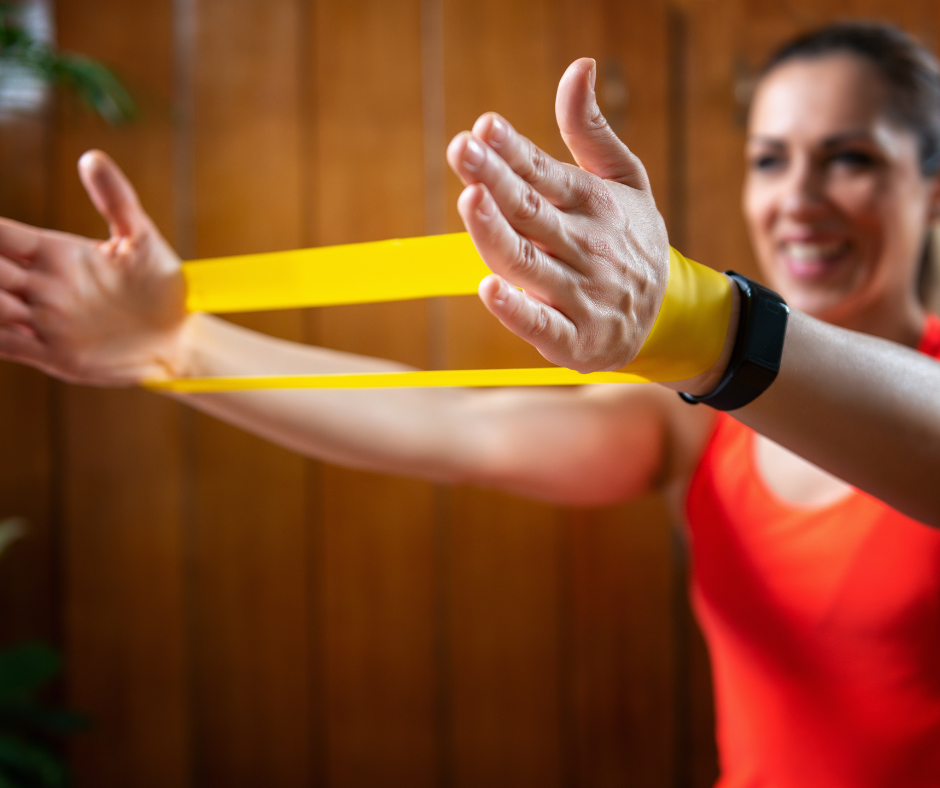
Staying active and avoiding injury in your 40s

Snow sports are a great winter activity but it's important to prepare your body to avoid injury.
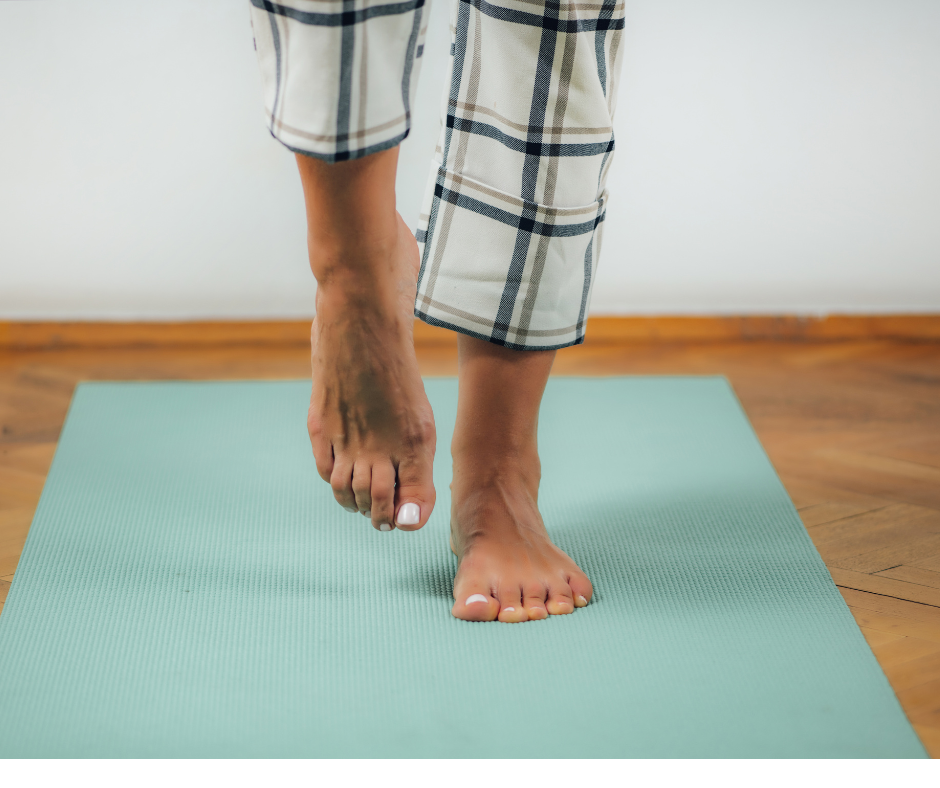
When winter hits and we move less, the risk of falls goes up—staying active helps keep you steady.
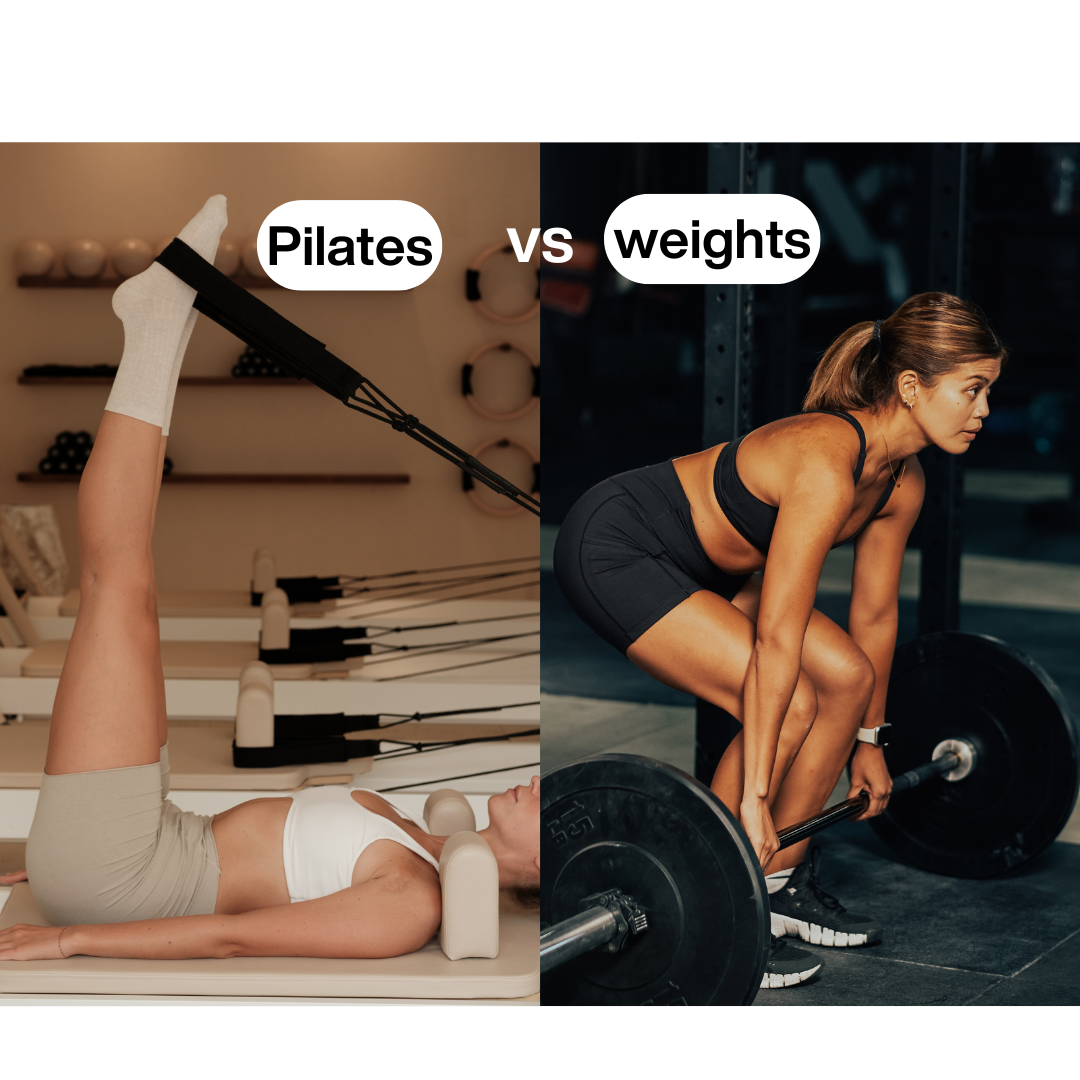
Pilates vs Weight Training - which one is best?
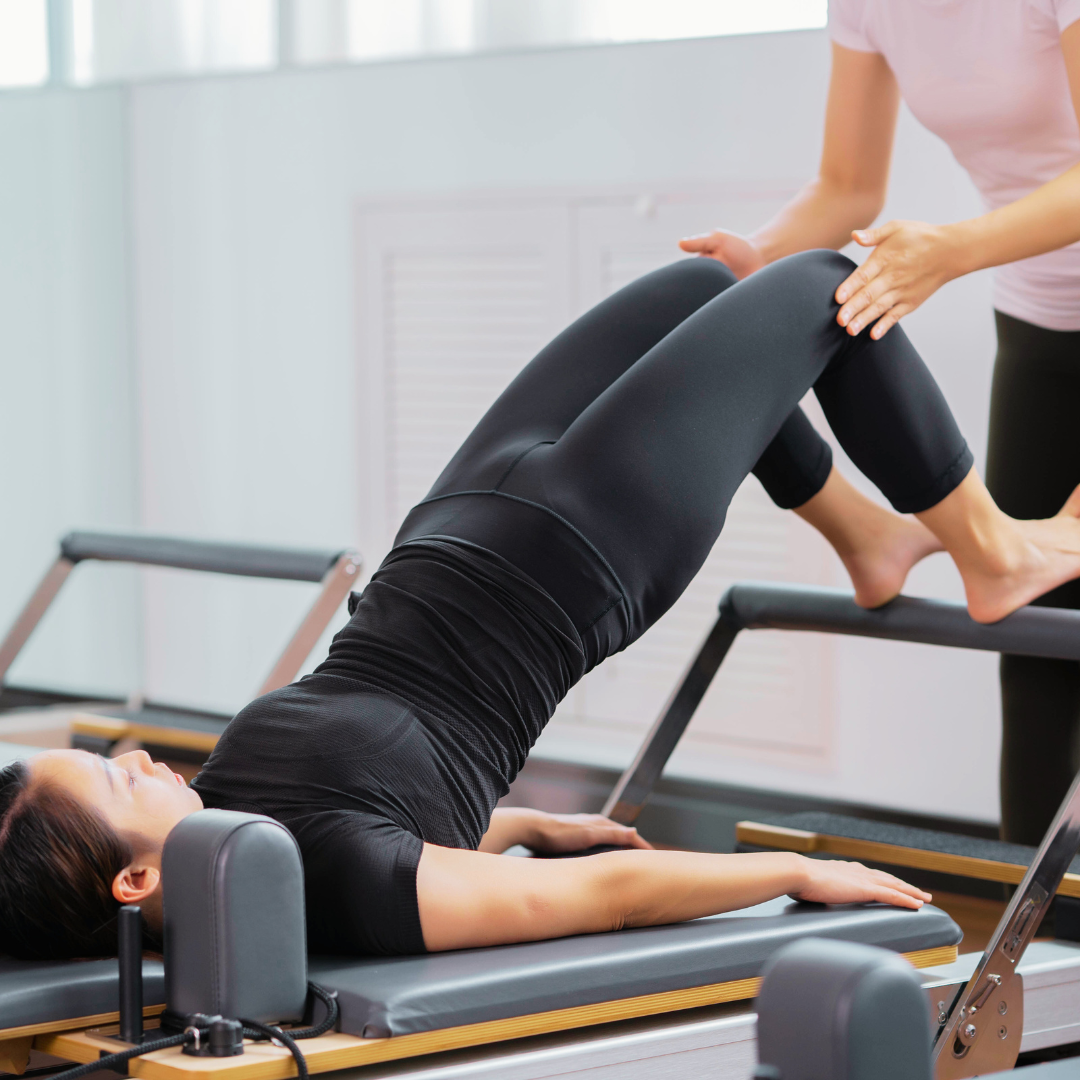
4 Reasons your physio might recommend pilates

Stay on track and keep motivated with PhysiApp
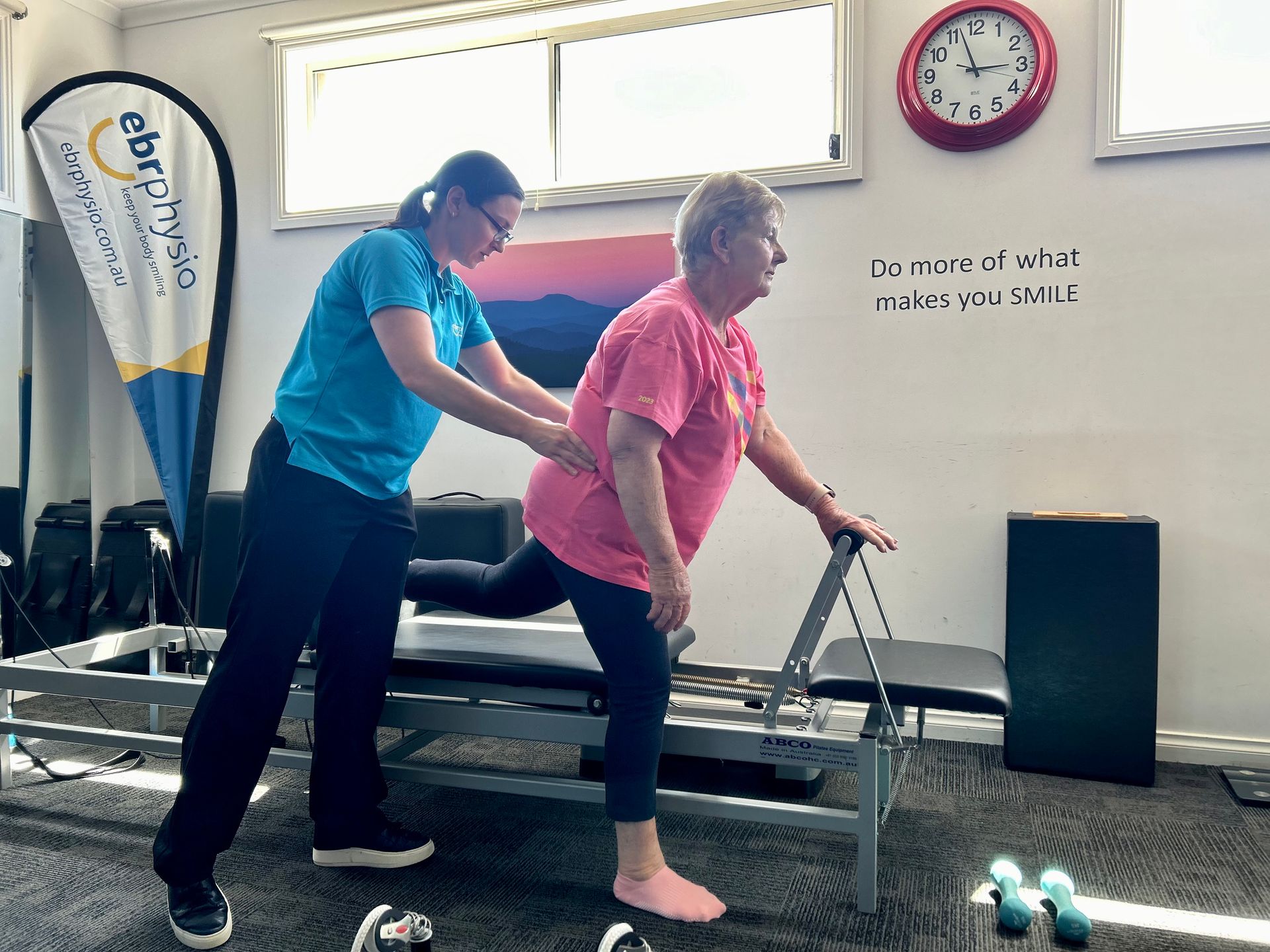
Discover how the PINC Cancer Rehabilitation Program empowers women to regain strength, confidence, and well-being after a cancer diagnosis.

Spring is here and it’s a great time to boost your outdoor activity.
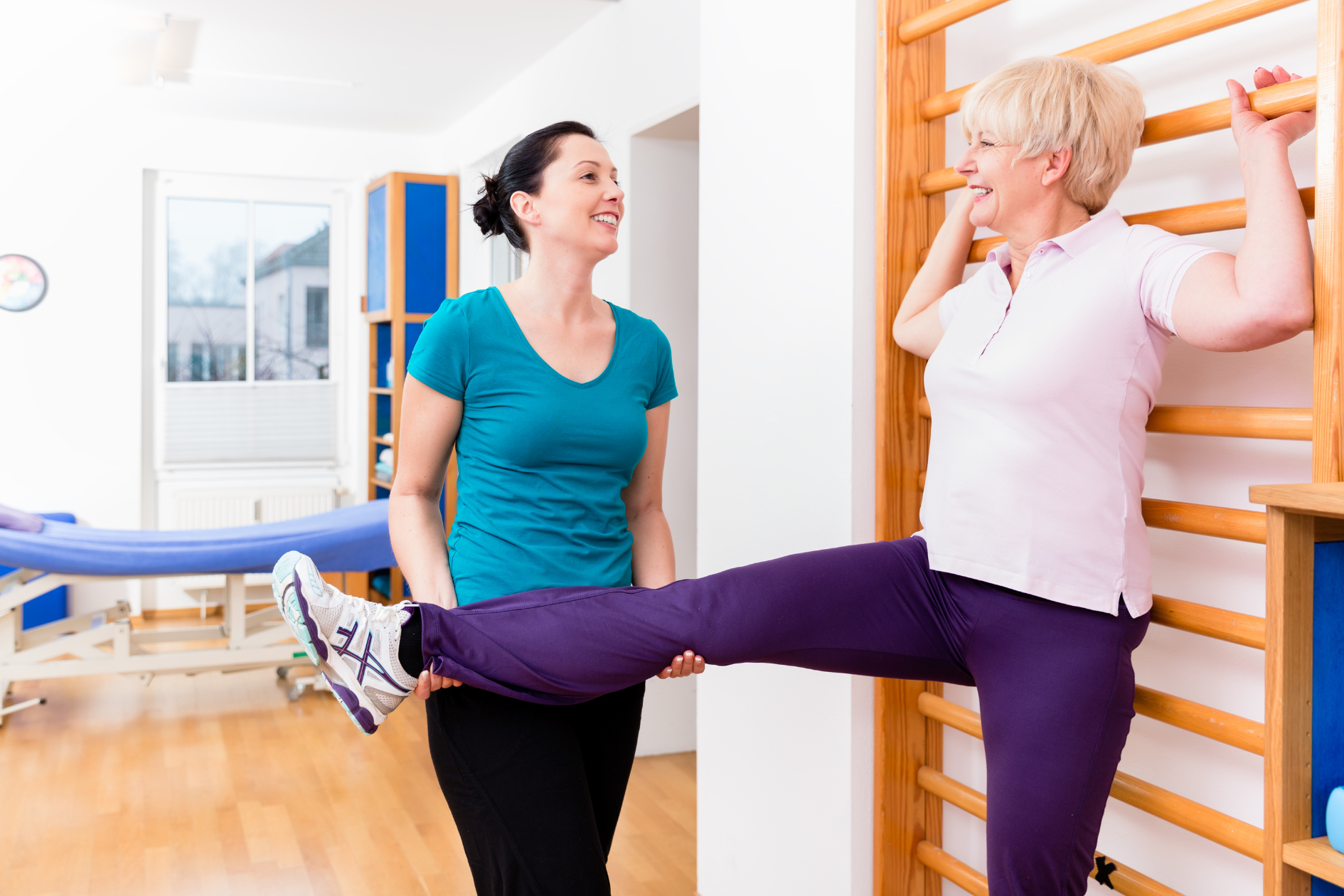
Currently HCF are offering a fully reimbursed GLA:D program to their members who meet the eligible criteria. The program will be funded as a Chronic Disease Management Program (CDMP) and no amounts will be deducted from a member’s extra’s limits. This means there is no out-of-pocket cost and you keep all your physiotherapy extra’s limits. This will support early intervention to reduce knee and hip osteoarthritis symptoms and help prevent the need for joint replacement surgery. Who is eligible? You must have private health insurance with HCF and: have held HCF hospital cover for at least 12 months; have hospital cover which includes joint replacement surgery for at least 2 months; have premiums up to date; meet the clinical eligibility criteria. What are the clinical eligibility criteria? be 18 years or over have a diagnosis of symptomatic hip or knee osteoarthritis that is likely to require joint replacement surgery in the upcoming few years (as assessed by a physiotherapist, GP or orthopaedic surgeon) not have had a total or partial hip or knee joint replacement surgery; not have participated in the GLA:D program in the previous 2 years; not have participated in the Osteoarthritis Health Weight For Life program in the previous 2 years. What does the GLA:D program involve? The program consists of an initial consult, 12 supervised 1-hour exercise sessions over 6 weeks, 2 education sessions, and a final consult after completion of the exercise program. For further details on the GLA:D program CLICK HERE. How do I start the HCF fully reimbursed GLA:D program? You will need to call HCF to see whether you are eligible under your policy. Once HCF approves your eligibility you will need to book an Assessment consult Item no. 500. (If you have already been assessed by your doctor or specialist to say that you are eligible then you may present this to HCF and may skip this step.) If you physio believes you meet clinical eligibility they will call HCF on your behalf to discuss. Once HCF approves the program you wil then be able to book your initial GLA:D assessment. What to expect during the program? Once your eligibility is confirmed with HCF, you will complete your initial assessment with one of our GLA:D trained physiotherapists and will be registered with GLA:D Australia. GLA:D Australia, will also contact you to fill out survey information to help indicate your progress in the program and aid in this ongoing research. You will complete 12 physio-supervised 60 minute exercise sessions over 6 weeks, x2 education sessions and a follow up assessment to also review your progress and then advice on what to do next. Claiming your rebate from HCF As this HCF program is in a pilot stage, this service cannot be claimed on the spot through HICAPS. This means you will be required to pay upfront for each of the sessions. You will be provided with an invoice including GLA:D specific item codes that you can then claim through the HCF app, online or post. The total amount will be reimbursed by HCF. Can I still do GLA:D if I don’t meet the criteria? Yes. Anyone is still eligible to participate or complete the GLA:D program. If you have private health insurance with physiotherapy extras cover you will be able to use this to claim for the program. It just means there is likely some out of pocket costs. You may also use your Health Management Program allowance towards the program. Are other Private Health Funds offering this? We haven’t been informed directly of other funds offering this pilot program however we do encourage you to contact your fund and ask them.

Physiotherapy has always been devoted to understanding patients’ pain and how to alleviate, manage and prevent it. So, what’s changed?
When it comes to managing sports injuries and maintaining peak physical performance, the expertise of both sports physicians and physiotherapists is invaluable. But what exactly is a sports physician, and how do they work in tandem with physiotherapists? In this blog post we take a look at the roles of Sports Physicians and Physiotherapists and the collaboration between these two essential professionals.
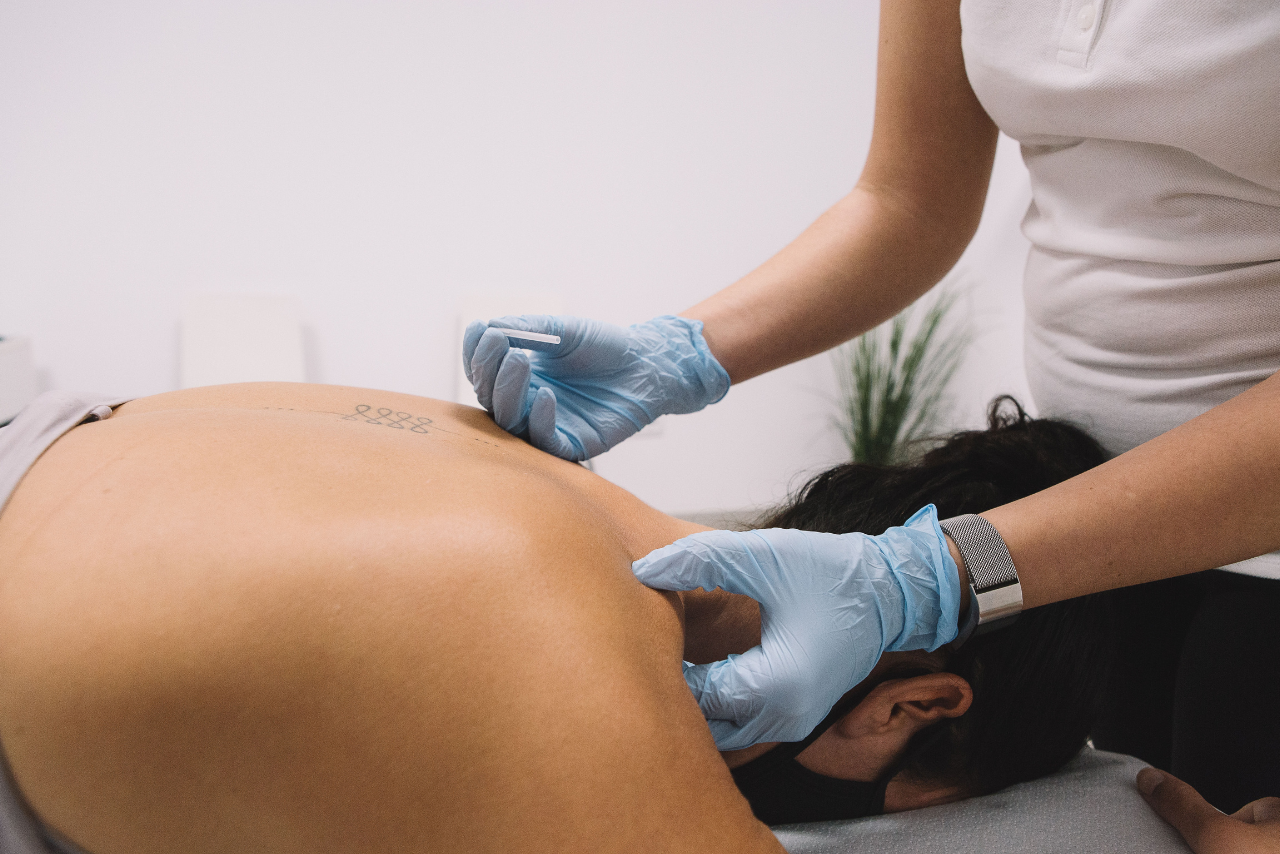
The fine needles used in dry needling help release tension and reduce muscle tightness by stimulating your body's natural pain-relieving chemicals, providing effective relief.
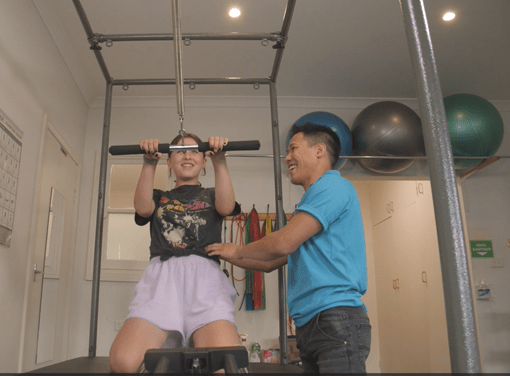
Pilates has long been regarded for improving core strength. The benefits gained from practising pilates are numerous including improved flexibility & mobility, posture, balance, bone density and many more. At EBR Physio our Physios combine their in-depth understanding of anatomy and physiology which is utilised in Clinical Pilates. This may include a combination of mat, fit-ball, foam roller, Pilates reformer and trapeze exercises. Unlike a regular Pilates class where participants all do the same program, Clinical Pilates provides a more individualised approach to your treatment and goals.

Focus: Can Stress Affect My Pain? A common fear for patients when discussing pain is the idea that their symptoms are 'all in their head' or that they won't be believed either by friends, family, therapists or workplace. This fear can be worse when there appears to be no obvious cause for their pain or it has been present for a long time. What is pain? Many of the models used in the past to explain pain lead us to believe that the intensity of pain will always be proportional to the severity of an injury. The experience of pain is always real and usually distressing. However, pain is a warning system used by our nervous system to alert us to danger, not a direct indicator of damage done. This is a subtle, yet important distinction meaning that the experience of pain can be affected by many different factors and not exclusively tissue damage. How can stress impact pain? Part of the role of your nervous system is to sort through a huge amount of sensory input and interpret it in a meaningful way. When pain is considered to be a serious threat to the body, the intensity of the pain will be worse. This can happen in many situations, for example: The source of the pain is not well understood, leading to fear that the pain might be something very serious. The nervous system is in a state of hyper-arousal, such as when you are stressed or tired. The pain or injury could have a significant impact on your quality of life, career, relationships or hobbies. The injury occurred through a traumatic event such as a car accident. What does this mean for my treatment? Along with all our more traditional treatments, we also know that stress reduction strategies, mindfulness and addressing any emotional trauma associated with pain can all help to aid recovery and improve quality of life. Your physiotherapist is a great person to speak to about pain management strategies so you can get the most out of your life while dealing with long-term pain. None of the information in this newsletter is a replacement for proper medical advice. Always see a medical professional for advice on your individual injury.
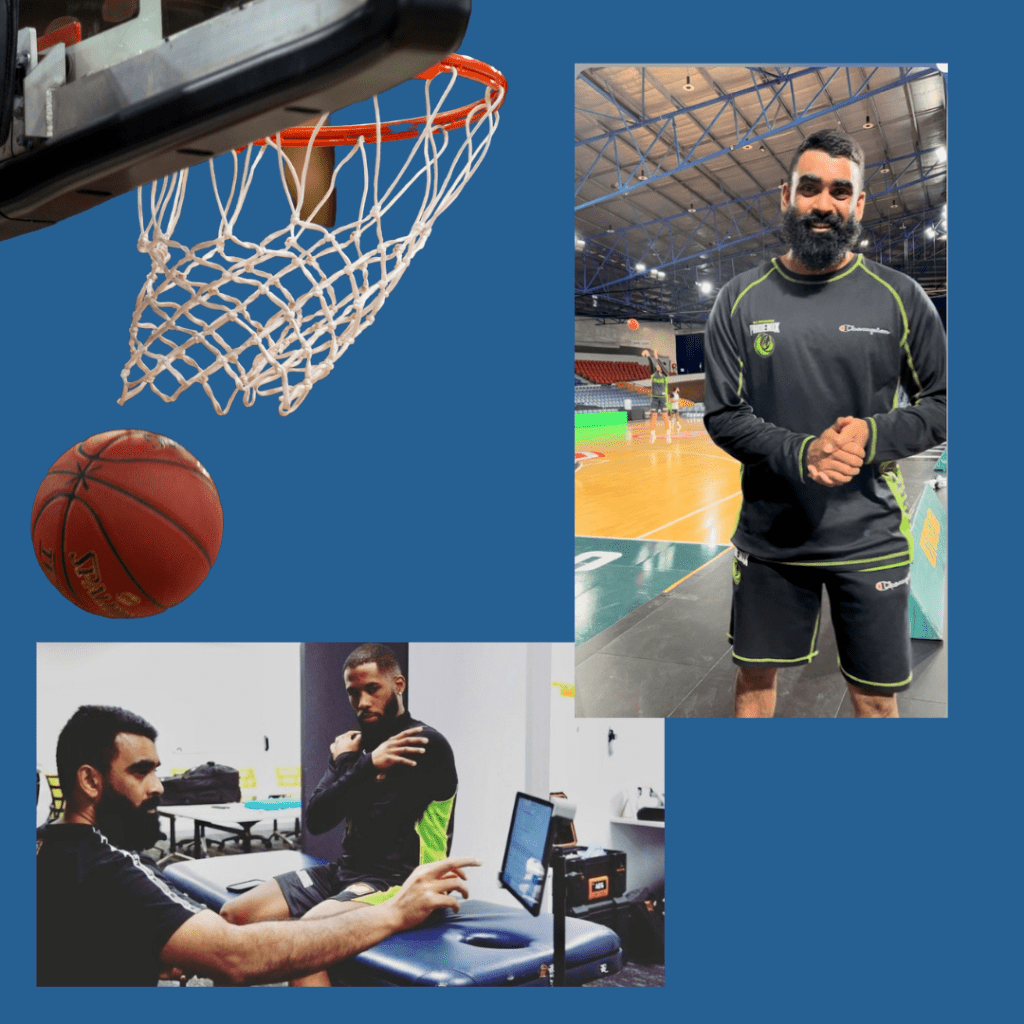
Whether he’s working with his high performance sporting team or his regular patients Av is dedicated to providing treatment that helps everyone achieve their personalised goals. Av tailors programs to maximise their health, comfort and abilities.
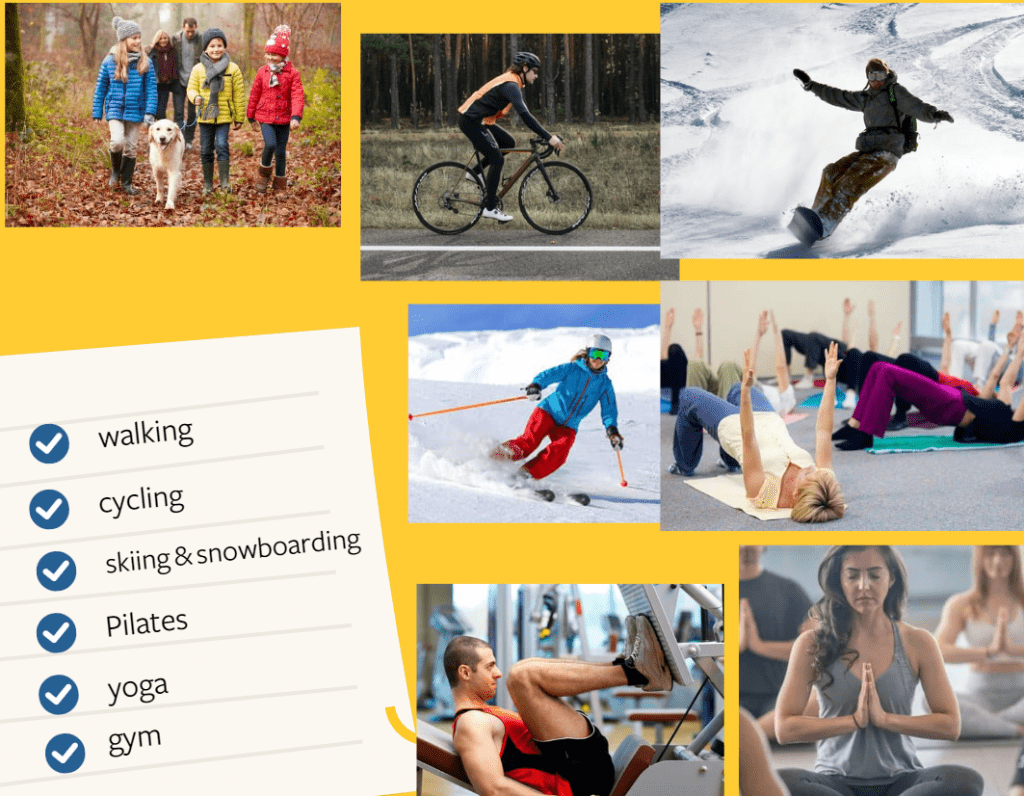
Sometimes the cold weather and darker, shorter days have us favouring a movie on the couch over our usual exercise routine .
Exercise in winter is probably the best medicine for overcoming the winter blues. A better approach may be to change up your exercise routine to accommodate the weather and how you're feeling on the day.