4 reasons why your physio might recommend pilates

March 4, 2025

4 Reasons your physio might recommend pilates
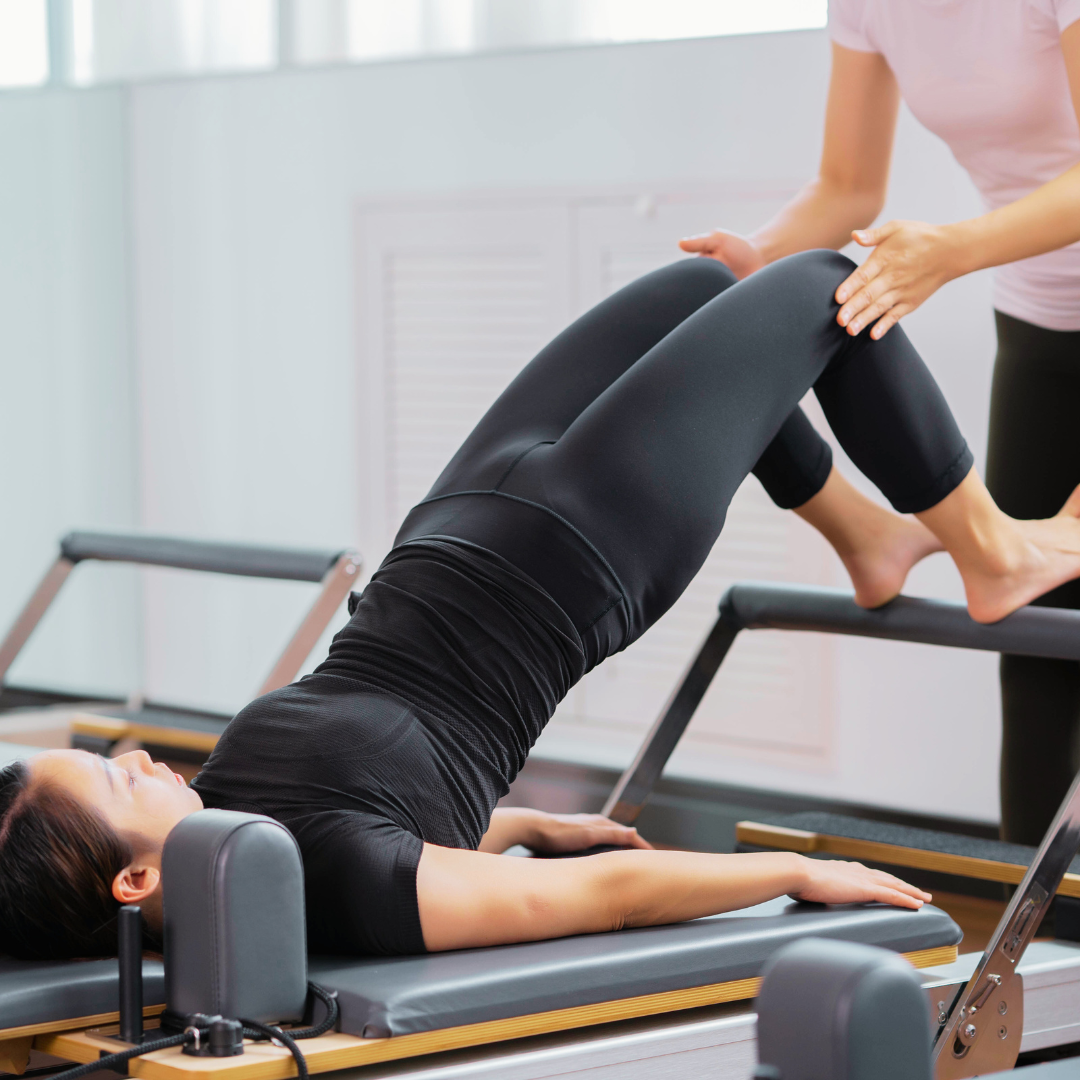

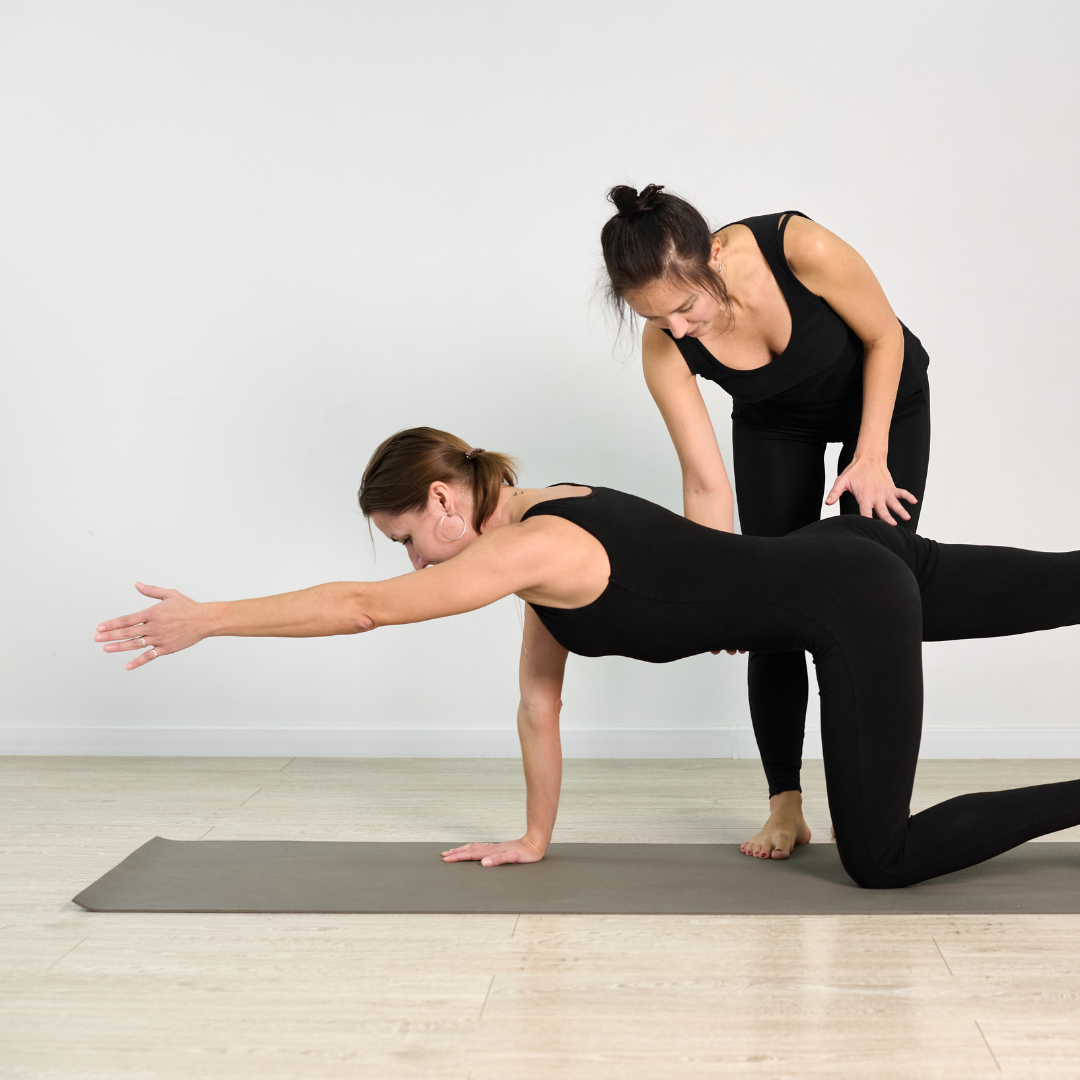
Clinical Pilates (physio-led pilates) is an excellent tool for rehabilitation, injury prevention, core strengthening, and balance improvement. It provides a low-impact way to restore mobility and strength after injuries while correcting poor movement patterns that can lead to future problems. By focusing on core activation, Pilates improves posture, stability, and overall resilience, reducing the risk of back pain and strain in daily activities. Additionally, it enhances coordination and proprioception, helping prevent falls and supporting a safe return to gym or sports-specific exercises. Clinical Pilates builds a strong foundation for long-term strength, mobility, and overall well-being.


1. Rehabilitate Existing Injury

Pilates-based exercises are a highly effective tool for injury rehabilitation, offering a low-impact way to restore mobility and strength. When recovering from an injury—whether it’s back pain, a sprained ankle, or a muscle strain—stiffness and discomfort can make movement feel difficult. However, staying active is crucial for healing. Physiotherapists use Pilates to guide you through gentle, controlled exercises that help stretch muscles, improve mobility, and develop strength to speed up recovery. By focusing on specific movements, Pilates ensures you regain strength safely without placing excessive strain on the injured area, developing a better overall outcome.


2. Prevent Further Injuries

Past injuries can lead to poor patterns of movement —such as limping after a twisted ankle or shifting weight unevenly due to a back injury. These habits, while protective in the short term, can create imbalances and increase the risk of future injuries. Pilates helps retrain the body to move better, improving posture, flexibility, muscle coordination and strength. By improving biomechanics, physiotherapy-led Pilates can correct long-standing imbalances, relieve chronic pain, and reduce stress on vulnerable areas. This proactive approach ensures that previous injuries don’t turn into long-term problems and help prevent future strains or weaknesses from developing.


3. Maximise Core Strength

A strong core is the foundation of a healthy, pain-free body. However, injuries and prolonged inactivity can cause the deep stabilising muscles in your trunk to weaken, leaving you more prone to back pain and poor posture. Pilates focuses on activating and strengthening these core muscles—especially the deep abdominal, pelvic, and spinal muscles—through controlled, targeted movements. As your core strength improves, you’ll experience better posture, reduced back pain, and greater overall stability. These exercises progressively build resilience, allowing you to move with confidence and reducing the likelihood of injuries in day-to-day activities.


4. Improve Balance and Falls Prevention

Good balance is essential for maintaining independence and preventing falls, especially as we age or recover from an injury. Pilates emphasises controlled, stabilising movements that enhance coordination, proprioception (your body’s awareness of movement and position), and muscle strength. By targeting key stabilising muscles in the core, legs, and hips, Pilates helps improve posture, strength and movements. This increased stability reduces the risk of falls and enhances confidence in daily activities, whether you’re navigating stairs, carrying groceries, or returning to sports and fitness routines. For older adults or those recovering from injuries, incorporating Pilates into physiotherapy can be a vital step toward regaining strength, balance, and mobility.

Pilates will also enable you to return to gym and sports specific exercises laying a strong foundation.


To find out more or express your interest, please speak to your physio, or call us on 9570 1254


By Miriam Wynne December 13, 2025
Building confidence before and after injury or surgery When you’re facing surgery or recovering from an injury, it often feels like your body has let you down. You might worry about whether you’ll get back to normal, whether movement will hurt, or whether you’re doing the “right” things. It’s completely normal to feel unsure, frustrated, or even a bit scared, especially when everyday activities suddenly feel harder than they used to. Before and after surgery, confidence can take a real hit. Pain, stiffness, and uncertainty can make you second-guess every step. You are absolutely not alone in feeling this way. Confidence isn’t just a mindset, it’s a key part of recovery, and it can be rebuilt with the right guidance and support. Why confidence matters Understanding the psychology of confidence Confidence isn’t about pretending everything is fine or pushing through pain. It’s about knowing what your body is capable of, understanding what’s normal, and recognising your progress - even when it feels slow. Recovery isn’t just physical, confidence, education and reassurance are are all key parts of progress. When you understand the “why” behind each exercise and what sensations to expect, fear is replaced with clarity. And clarity builds confidence. Consistency leads to results People who feel safe and informed tend to stay consistent with their rehab. That consistency is what builds long-term strength, mobility, and trust in how your body moves. Preparing before surgery How prehab builds confidence Feeling nervous before surgery is perfectly understandable. Prehabilitation (prehab) helps you feel prepared rather than overwhelmed. You build strength, improve mobility, and learn the exercises you’ll use afterwards so nothing feels foreign once you’re home. VicGov’s Better Health Channel explains the benefits of preparing physically and mentally before surgery: https://www.betterhealth.vic.gov.au/health/servicesandsupport/seeing-an-allied-health-professional What a typical prehab plan looks like A personalised prehab program often includes: • Gentle strength work (e.g. quads, glutes, core for lower-limb surgeries; shoulder and scapular stabilisers before rotator cuff repair) • Mobility exercises to improve joint movement • Low-impact conditioning for overall fitness • Education about what to expect in hospital and immediately afterwards. • Learning early post-op exercises ahead of time • Strategies for reducing swelling, pain and inflammation Walking into surgery feeling prepared boosts both physical and mental confidence. Rebuilding trust after surgery The early stages of recovery Once surgery is over, recovery really begins. Pain, swelling, or stiffness can make you doubt your body, even when everything is progressing exactly as expected. Gentle, guided movement is what helps tissues heal, restore function, and rebuild trust. The Australian Physiotherapy Association recommends early, guided movement after many procedures to support safe healing: https://australian.physio/ What a typical rehab plan looks like Rehab is structured in stages and matched to your surgeon’s protocol. Early phase (Week 1–3) • Swelling and pain management • Gentle range-of-motion exercises • Supported walking or gait retraining for lower limb or simple arm exercises for shoulders • Safe activation of key muscle groups • Clear guidance on what and how to avoid Middle phase (Week 4–8) • Progressive strengthening • Balance and stability work • Gradual increases in load • Functional tasks such as stairs, sit-to-stand and controlled bending Later phase (Week 8+) • Higher-level strengthening • Functional or sport-specific activities • Hydrotherapy or Clinical Pilates for controlled, confidence-building movement • Planning for long-term independence Each phase is explained clearly so you always know what’s safe, what’s normal, and what comes next. From recovery to resilience Why rehab doesn’t stop when pain settles Pain relief doesn’t mean your recovery is complete. Long-term confidence comes from restoring strength, balance and control. Many people continue with guided exercise, Clinical Pilates or maintenance physio as part of their ongoing wellbeing. The bigger picture • Prehab prepares joints, muscles and the nervous system • Rehab guides how well and how safely you heal • Lifestyle choices; sleep, nutrition, daily movement all support long-term recovery Confidence develops when your recovery has structure, clarity and consistent support. Explore our ongoing exercise and Pilates options . Where EBR fits in Continuing your care after specialist treatment Once your surgeon or specialist completes their part of your treatment, physiotherapy becomes the next essential step. Our physiotherapists work closely with specialists across Melbourne to ensure your rehab aligns with your medical plan. Feeling supported makes it easier to rebuild confidence. Our goal is to guide you from uncertainty to strength, from hesitation to trust, and from recovery to long-term independence. Key takeaways • Confidence is a major factor in surgical and injury recovery. • Prehab helps you feel physically and mentally prepared for surgery. • Early, guided rehab restores trust in your movement. • Progress is gradual but powerful when you have structure and support. • Long-term resilience comes from ongoing strength, stability and good movement habits. • You don’t have to navigate any of this alone. FAQs Do I need to feel confident before surgery? Not at all. Prehab helps build confidence by preparing your body and teaching you what to expect. Is it normal to feel scared to move after surgery? Yes. Pain and stiffness can make you hesitate, even when everything is healing well. How soon will I trust my body again? Many people feel more confident within a few weeks as movement becomes easier and strength starts to return. Can I do the exercises on my own? You can, but physio guidance ensures you’re progressing safely and avoiding compensation or delays. Do I need physio even if the pain has gone? Often yes. Pain relief doesn’t always mean your strength, balance or stability have fully returned. Call to action If you’re preparing for surgery, recovering from an injury, or feeling unsure about how to trust your body again, we’re here to help. Book an appointment online Have questions? Contact our team You can read more about how we support patients preparing for surgery here: https://www.ebrphysio.com.au/our-services
Physiotherapist assessing knee pain at EBR Physio Bentleigh East.
By Miriam Wynne September 17, 2025
Knee pain help for all ages. Personalised physio, prehab and rehab to avoid surgery and pain meds. Book a consult at EBR Physio Bentleigh East.
By Miriam Wynne August 29, 2025
Staying active and avoiding injury in your 40s
More Posts