How is Clinical Pilates different?
Understanding the Differences Between General Pilates and Clinical Pilates
Pilates is a widely recognised form of exercise that has become synonymous with core strength, flexibility, and overall body conditioning. With its roots tracing back to the early 20th century, Pilates has evolved into various forms, each offering unique benefits to individuals of all ages and fitness levels. However, not all Pilates is created equal. Two primary forms that often come up in discussions are General Pilates and Clinical Pilates. While they share common principles, their approaches, goals, and outcomes can differ significantly. At EBR Physio, we specialise in Clinical Pilates, which is a more tailored and therapeutic approach to this popular form of exercise.
The Fundamentals of Pilates
Before diving into the distinctions, it’s essential to understand what Pilates is and why it has garnered such a strong following. Pilates was developed by Joseph Pilates in the early 20th century as a method to help injured athletes and dancers safely return to exercise and maintain their fitness. The exercises are designed to strengthen the body's core, improve posture, increase flexibility, and enhance overall body awareness. It’s a low-impact workout that emphasizes controlled movements, concentration, and breathing. Over the years, Pilates has branched into different forms, with General Pilates and Clinical Pilates being two of the most recognised.
General Pilates: A Broader Approach
General Pilates classes are typically what most people encounter when they first explore this form of exercise. These classes are usually conducted in studios, gyms, or community centers and are led by instructors who have undergone Pilates training. The focus in General Pilates is on providing a broad-based workout that targets the core muscles and enhances overall fitness.
Here are some key characteristics
Group Setting:
General Pilates classes are often larger, with participants ranging in number depending on the space available. The group environment fosters a sense of community and motivation, but it also means less individualized attention from the instructor.
Standardized Routine: In a typical General Pilates class, the exercises are uniform across the group, meaning everyone performs the same movements regardless of their individual needs or physical conditions. While this can be effective for general fitness, it might not address specific issues like chronic pain, injury, or postural imbalances.
Instructor Qualifications:
While General Pilates instructors are trained in the method, they may not have a deep understanding of anatomy or medical conditions. Their training focuses on delivering a safe and effective workout but might not extend to modifying exercises for specific health issues.
Accessible to All:
General Pilates is widely accessible and can be a good entry point for those new to Pilates or looking for a comprehensive workout. However, it’s essential to understand that this type of Pilates is more generalized and may not suit everyone, especially those with specific health concerns.
Clinical Pilates: A Tailored Therapeutic Approach
On the other hand, Clinical Pilates is a more specialized form of Pilates that is integrated into physiotherapy. It is designed to address specific physical conditions and is often used as part of a rehabilitation program. At EBR Physio, our Clinical Pilates sessions are conducted by physiotherapists who have undergone additional training in Clinical Pilates.
This specialised approach offers several distinct advantages:
Individualised Assessment:
One of the most significant differences between General and Clinical Pilates is the initial assessment. Before starting a Clinical Pilates program, our physiotherapists conduct a thorough assessment to understand your medical history, current physical condition, and specific goals. This ensures that the exercises prescribed are tailored to your unique needs, whether you’re recovering from an injury, managing a chronic condition, or aiming to improve your physical health.
Personalised Exercises:
Based on the initial assessment, exercises in Clinical Pilates are personalised. This means that each session is designed to address your specific issues, whether it’s improving core stability, enhancing joint mobility, or reducing pain. The exercises can vary from person to person, even within a small group setting, ensuring that you’re getting the most out of each session.
Small Group Classes:
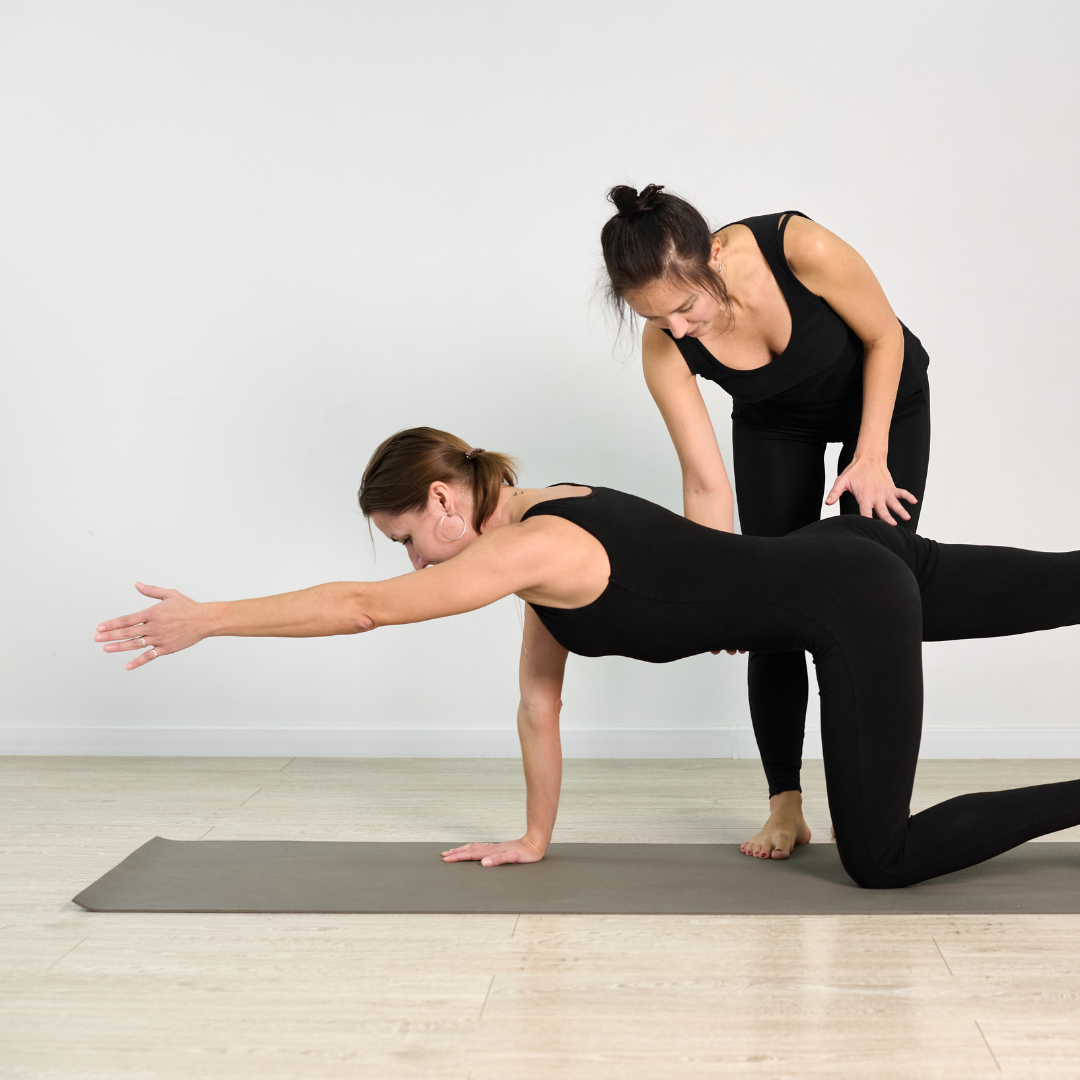
Clinical Pilates classes are intentionally kept small, often with a maximum of four participants. This allows the physiotherapist to give more individualized attention and ensure that each exercise is performed correctly. The small class size also makes it easier to monitor progress and make adjustments as needed.
Rehabilitation Focus:
Clinical Pilates is often used as a physiotherapy treatment technique. It’s particularly beneficial for individuals recovering from surgery, injury, or those with chronic pain. The exercises are designed not only to improve fitness but also to aid in rehabilitation by promoting proper movement patterns and strengthening muscles that may have been weakened due to injury or surgery.
Health Insurance Rebates:
Another practical advantage of Clinical Pilates is that it may be claimable under private health insurance if you have ‘Extras Cover.’ This makes it a cost-effective option for those looking to integrate therapeutic exercise into their health and wellness routine.
Which One is Right for You?
Deciding between General Pilates and Clinical Pilates depends largely on your individual needs and goals. If you’re generally healthy, looking to improve your fitness, and enjoy the camaraderie of a group class, General Pilates might be a good fit. However, if you have specific health concerns, are recovering from an injury, or prefer a more personalized approach, Clinical Pilates is likely the better choice.
At EBR Physio, we believe in the power of Clinical Pilates to transform your health and well-being. Our expert physiotherapists are dedicated to helping you achieve your goals through tailored exercise programs that consider your unique needs. Whether you’re new to Pilates or a seasoned practitioner, our Clinical Pilates sessions can provide you with the support and guidance you need to improve your physical health safely and effectively.
Conclusion
Both General Pilates and Clinical Pilates offer substantial benefits, but they cater to different needs. Understanding these differences can help you make an informed decision about which type of Pilates is right for you.
At EBR Physio, we’re here to guide you every step of the way, ensuring that you receive the most appropriate and effective care. If you’re interested in learning more about our Clinical Pilates classes or want to schedule an assessment, don’t hesitate to contact us. We’re here to help you on your journey to better health and wellness.
Check out our timetable of classes