Stay Steady This Winter: How Exercise Can Help Prevent Falls

May 21, 2025

When winter hits and we move less, the risk of falls goes up. Staying active helps keep you steady.
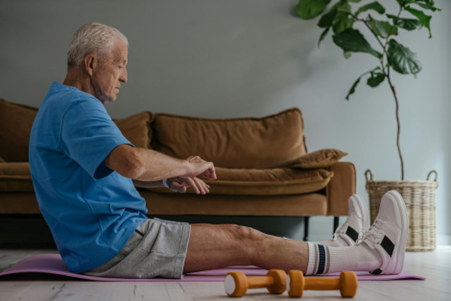
As winter sets in across Australia, colder weather and shorter days often mean more time indoors and less physical activity. But for many older Australians, this seasonal slowdown can carry an increased risk of falls—a leading cause of injury among people aged 65 and over. As physiotherapists, we know that exercise is one of the most effective tools to prevent falls, especially during the colder months when inactivity tends to rise.


Why Are Falls More Common in Winter?

During winter, several factors contribute to an increased risk of falling:

  • Reduced physical activity leads to deconditioning, particularly in muscle strength, balance, and joint mobility.
  • Poor lighting in early mornings and evenings can obscure obstacles.
  • Wet or slippery surfaces such as tiled entryways or damp outdoor paths pose greater hazards.
  • Layered clothing or inappropriate footwear can also interfere with movement and stability.

These risks are especially concerning considering that one in three Australians over the age of 65 experiences a fall each year (Australian Institute of Health and Welfare, 2021).


How Exercise Helps Prevent Falls

The good news? Exercise especially the right type can significantly reduce the risk of falls by improving:

  • Muscle strength, particularly in the lower limbs
  • Balance and coordination
  • Reaction time, so you’re more likely to catch yourself if you trip
  • Confidence, which can prevent the fear of falling that leads to further inactivity

According to Healthdirect Australia, evidence-based exercise programs can reduce falls by up to 30%, especially those that focus on strength, balance, and functional training.


Best Exercises to Build Strength and Balance

As physiotherapists, we tailor exercise programs to suit individual needs, but here are a few key exercises that research supports for fall prevention:

  1. Sit-to-Stand Repeats
  • Builds leg strength and simulates real-life functional movement.
  1. Heel-to-Toe Walking
  • Improves dynamic balance and gait stability.
  1. Single-Leg Stance (with support)
  • Trains static balance and ankle strength.
  1. Step-Ups on a Low Step
  • Enhances both leg power and coordination.
  1. Tai Chi or balance classes
  • Gentle yet effective for improving body awareness and movement control.


Tips for Staying Safe While Exercising

  • Always start with a physiotherapy assessment if you have a history of falls, chronic conditions, or mobility issues.
  • Exercise indoors on a non-slip surface during cold or wet weather.
  • Wear appropriate footwear with good grip and ankle support.
  • Use chairs or benchtops for support if needed.
  • Keep your space well-lit to avoid tripping over objects or pets.


Seek Help Before a Fall Happens

Falls are not an inevitable part of ageing. With the right support and a proactive approach, they can often be prevented. At EBR Physio we offer a range of physio-led exercise classes provide targeted support to help you achieve optimal outcomes.  A physiotherapist can assess your risk factors, design a personalised exercise program, and guide you through it safely. 


At EBR Physio, our classes are designed to cater to your individual fitness and rehabilitation needs. Whether you're looking for personalised attention or enjoy the camaraderie of group exercise, we have the perfect class for you.


One-on-One Physio Exercise

What to Expect Tailored sessions combining expert physiotherapy and Pilates exercises. Ideal for targeted rehabilitation and fitness enhancement. Our physiotherapists work closely with you to ensure each movement is beneficial and safe, helping you progress efficiently towards your goals.


Small Group Physio-Led Exercise

What to Expect Engaging and supportive group classes featuring a mix of mat, fit-ball, foam roller, Pilates reformer, and trapeze exercises. Each class is tailored to the participants' needs, providing a fun and motivating environment while still focusing on individual progress.


Final Thoughts

As we rug up for winter, let’s not forget the importance of movement. Regular, targeted exercise is one of the most powerful tools we have to prevent falls and maintain independence. Don’t wait until a fall occurs, take steps now to stay strong, steady, and safe this season.


Need support with a falls prevention program?
Book an appointment with us today and we’ll tailor a safe, effective program just for you.

Stay steady this winter, your future self will thank you!
By Miriam Wynne December 13, 2025
Building confidence before and after injury or surgery When you’re facing surgery or recovering from an injury, it often feels like your body has let you down. You might worry about whether you’ll get back to normal, whether movement will hurt, or whether you’re doing the “right” things. It’s completely normal to feel unsure, frustrated, or even a bit scared, especially when everyday activities suddenly feel harder than they used to. Before and after surgery, confidence can take a real hit. Pain, stiffness, and uncertainty can make you second-guess every step. You are absolutely not alone in feeling this way. Confidence isn’t just a mindset, it’s a key part of recovery, and it can be rebuilt with the right guidance and support. Why confidence matters Understanding the psychology of confidence Confidence isn’t about pretending everything is fine or pushing through pain. It’s about knowing what your body is capable of, understanding what’s normal, and recognising your progress - even when it feels slow. Recovery isn’t just physical, confidence, education and reassurance are are all key parts of progress. When you understand the “why” behind each exercise and what sensations to expect, fear is replaced with clarity. And clarity builds confidence. Consistency leads to results People who feel safe and informed tend to stay consistent with their rehab. That consistency is what builds long-term strength, mobility, and trust in how your body moves. Preparing before surgery How prehab builds confidence Feeling nervous before surgery is perfectly understandable. Prehabilitation (prehab) helps you feel prepared rather than overwhelmed. You build strength, improve mobility, and learn the exercises you’ll use afterwards so nothing feels foreign once you’re home. VicGov’s Better Health Channel explains the benefits of preparing physically and mentally before surgery: https://www.betterhealth.vic.gov.au/health/servicesandsupport/seeing-an-allied-health-professional What a typical prehab plan looks like A personalised prehab program often includes: • Gentle strength work (e.g. quads, glutes, core for lower-limb surgeries; shoulder and scapular stabilisers before rotator cuff repair) • Mobility exercises to improve joint movement • Low-impact conditioning for overall fitness • Education about what to expect in hospital and immediately afterwards. • Learning early post-op exercises ahead of time • Strategies for reducing swelling, pain and inflammation Walking into surgery feeling prepared boosts both physical and mental confidence. Rebuilding trust after surgery The early stages of recovery Once surgery is over, recovery really begins. Pain, swelling, or stiffness can make you doubt your body, even when everything is progressing exactly as expected. Gentle, guided movement is what helps tissues heal, restore function, and rebuild trust. The Australian Physiotherapy Association recommends early, guided movement after many procedures to support safe healing: https://australian.physio/ What a typical rehab plan looks like Rehab is structured in stages and matched to your surgeon’s protocol. Early phase (Week 1–3) • Swelling and pain management • Gentle range-of-motion exercises • Supported walking or gait retraining for lower limb or simple arm exercises for shoulders • Safe activation of key muscle groups • Clear guidance on what and how to avoid Middle phase (Week 4–8) • Progressive strengthening • Balance and stability work • Gradual increases in load • Functional tasks such as stairs, sit-to-stand and controlled bending Later phase (Week 8+) • Higher-level strengthening • Functional or sport-specific activities • Hydrotherapy or Clinical Pilates for controlled, confidence-building movement • Planning for long-term independence Each phase is explained clearly so you always know what’s safe, what’s normal, and what comes next. From recovery to resilience Why rehab doesn’t stop when pain settles Pain relief doesn’t mean your recovery is complete. Long-term confidence comes from restoring strength, balance and control. Many people continue with guided exercise, Clinical Pilates or maintenance physio as part of their ongoing wellbeing. The bigger picture • Prehab prepares joints, muscles and the nervous system • Rehab guides how well and how safely you heal • Lifestyle choices; sleep, nutrition, daily movement all support long-term recovery Confidence develops when your recovery has structure, clarity and consistent support. Explore our ongoing exercise and Pilates options . Where EBR fits in Continuing your care after specialist treatment Once your surgeon or specialist completes their part of your treatment, physiotherapy becomes the next essential step. Our physiotherapists work closely with specialists across Melbourne to ensure your rehab aligns with your medical plan. Feeling supported makes it easier to rebuild confidence. Our goal is to guide you from uncertainty to strength, from hesitation to trust, and from recovery to long-term independence. Key takeaways • Confidence is a major factor in surgical and injury recovery. • Prehab helps you feel physically and mentally prepared for surgery. • Early, guided rehab restores trust in your movement. • Progress is gradual but powerful when you have structure and support. • Long-term resilience comes from ongoing strength, stability and good movement habits. • You don’t have to navigate any of this alone. FAQs Do I need to feel confident before surgery? Not at all. Prehab helps build confidence by preparing your body and teaching you what to expect. Is it normal to feel scared to move after surgery? Yes. Pain and stiffness can make you hesitate, even when everything is healing well. How soon will I trust my body again? Many people feel more confident within a few weeks as movement becomes easier and strength starts to return. Can I do the exercises on my own? You can, but physio guidance ensures you’re progressing safely and avoiding compensation or delays. Do I need physio even if the pain has gone? Often yes. Pain relief doesn’t always mean your strength, balance or stability have fully returned. Call to action If you’re preparing for surgery, recovering from an injury, or feeling unsure about how to trust your body again, we’re here to help. Book an appointment online Have questions? Contact our team You can read more about how we support patients preparing for surgery here: https://www.ebrphysio.com.au/our-services
Physiotherapist assessing knee pain at EBR Physio Bentleigh East.
By Miriam Wynne September 17, 2025
Knee pain help for all ages. Personalised physio, prehab and rehab to avoid surgery and pain meds. Book a consult at EBR Physio Bentleigh East.
By Miriam Wynne August 29, 2025
Staying active and avoiding injury in your 40s
More Posts